The hedgehog and its winter sleep
Thousands of spines, a diet of beetles and a sleep that lasts for months. This is how the European hedgehog lives, one of the most curious night visitors to the garden.
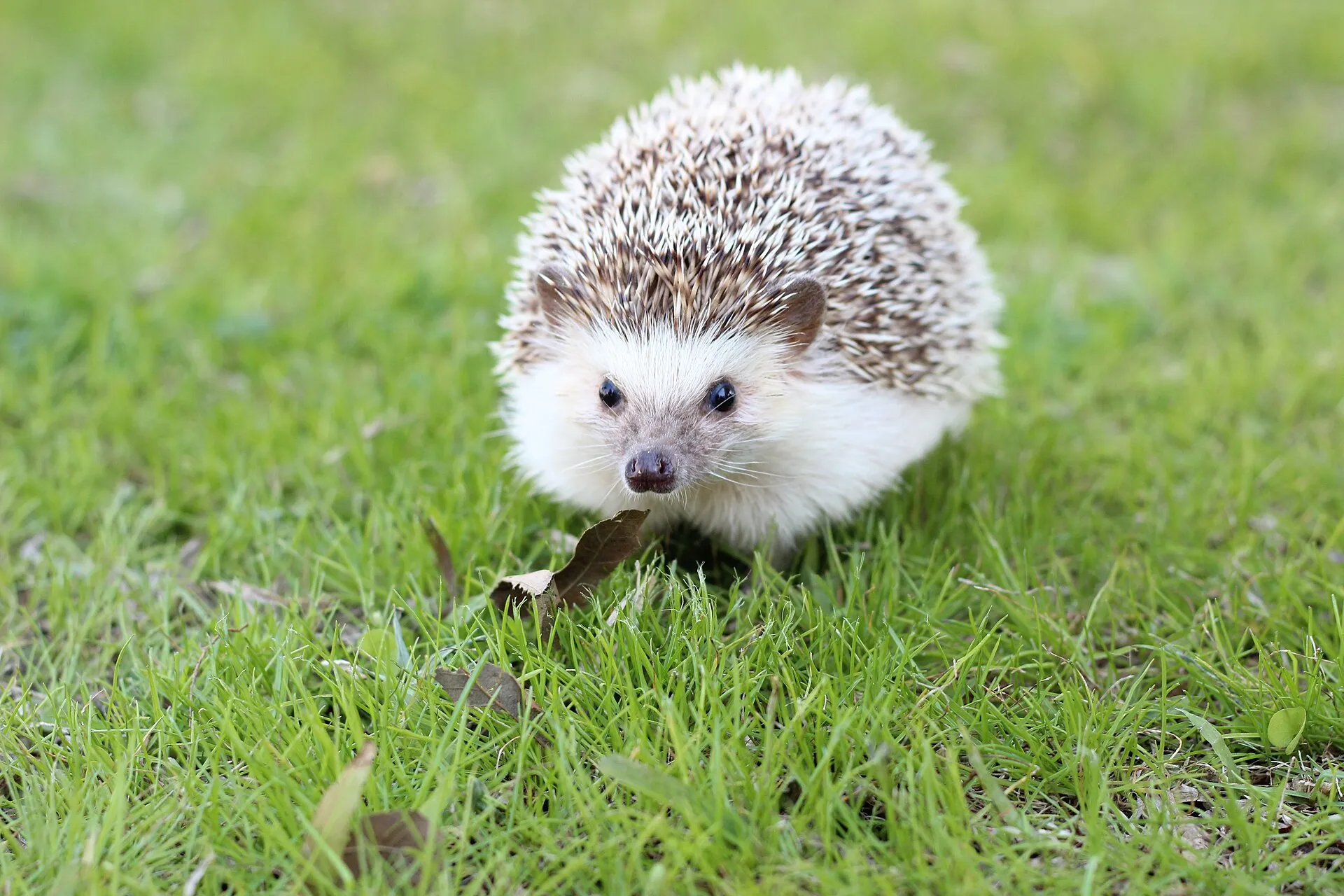
The European hedgehog fits in two hands, comes out at night and, when frightened, turns into a ball of spines. But it has plenty more secrets.
Between 5,000 and 7,000 spines
An adult hedgehog carries between 5,000 and 7,000 spines. They are hardened hairs, hollow inside, and they do not come loose to attack: hedgehogs cannot shoot them. When scared, it tightens muscles along its back that roll it into a ball with every spine pointing outwards.
A night hunter
By day it sleeps hidden in hedges, leaf piles or gaps under bushes. At dusk it comes out to feed and can travel one or two kilometres in a single night. It eats beetles, worms, caterpillars, slugs and snails, which makes it a good friend to vegetable gardens.
One important tip: never give a hedgehog milk. Hedgehogs cannot digest lactose well and it makes them ill. If you want to help one, a dish of water is much better.
The big sleep
When the cold arrives and insects become scarce, the hedgehog hibernates. It is not ordinary sleep: its body almost shuts down to save energy.
- Its temperature drops from about 35 °C to just a few degrees above the air around it.
- Its heart, which normally beats about 190 times a minute, can slow to around 20.
- It breathes only a few times a minute.
To survive like this for months, it eats all it can in autumn and puts on weight. A hedgehog that is too thin may not survive the winter. That is why rescue centres take in many young hedgehogs in autumn that have not managed to gain enough weight.
How to help
Leave a corner of the garden untidy, with leaves and twigs. Cut a gap of about 13 centimetres in the fence so it can move between gardens. And check leaf piles before burning them or using a strimmer: someone may be asleep inside.