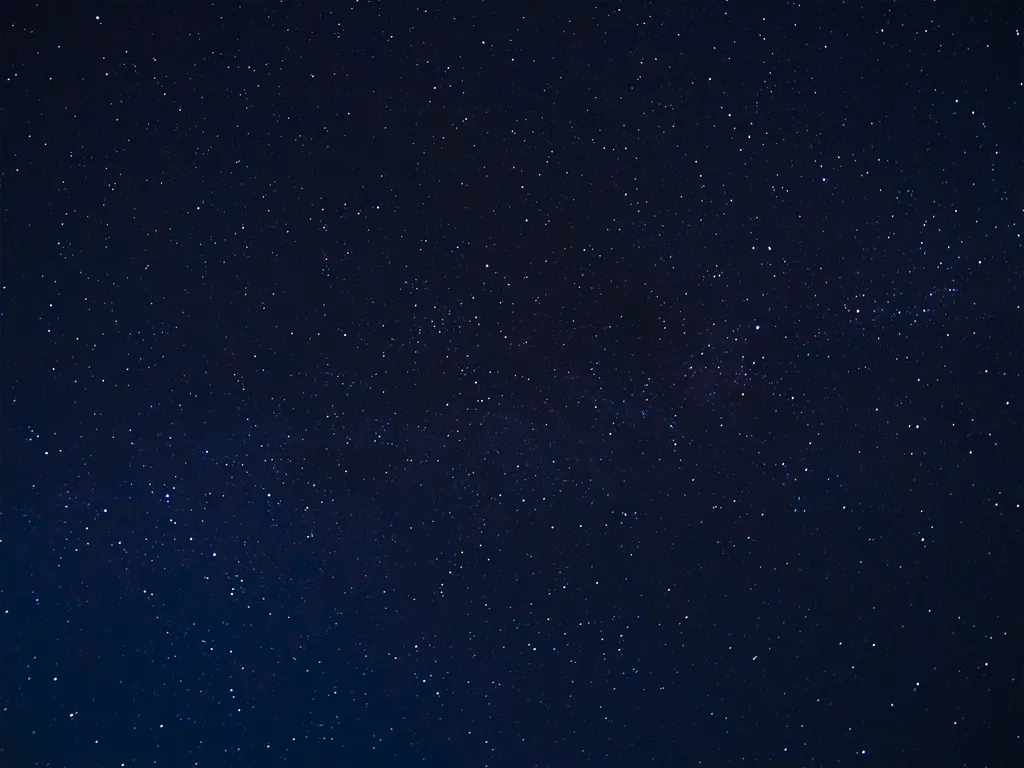
Season
What happens in the sky and in the forest in each season. The current one comes first.
Autumn nights
2.5 min more night every day around the equinox
In autumn tawny owls call more than ever: they are defending their territory.
Hedgehogs eat all they can before hibernating.
- Orionids: 21 and 22 October
- Leonids: 17 and 18 November
- Red deer rut: September and October
- Nights grow from 12 to 15 hours
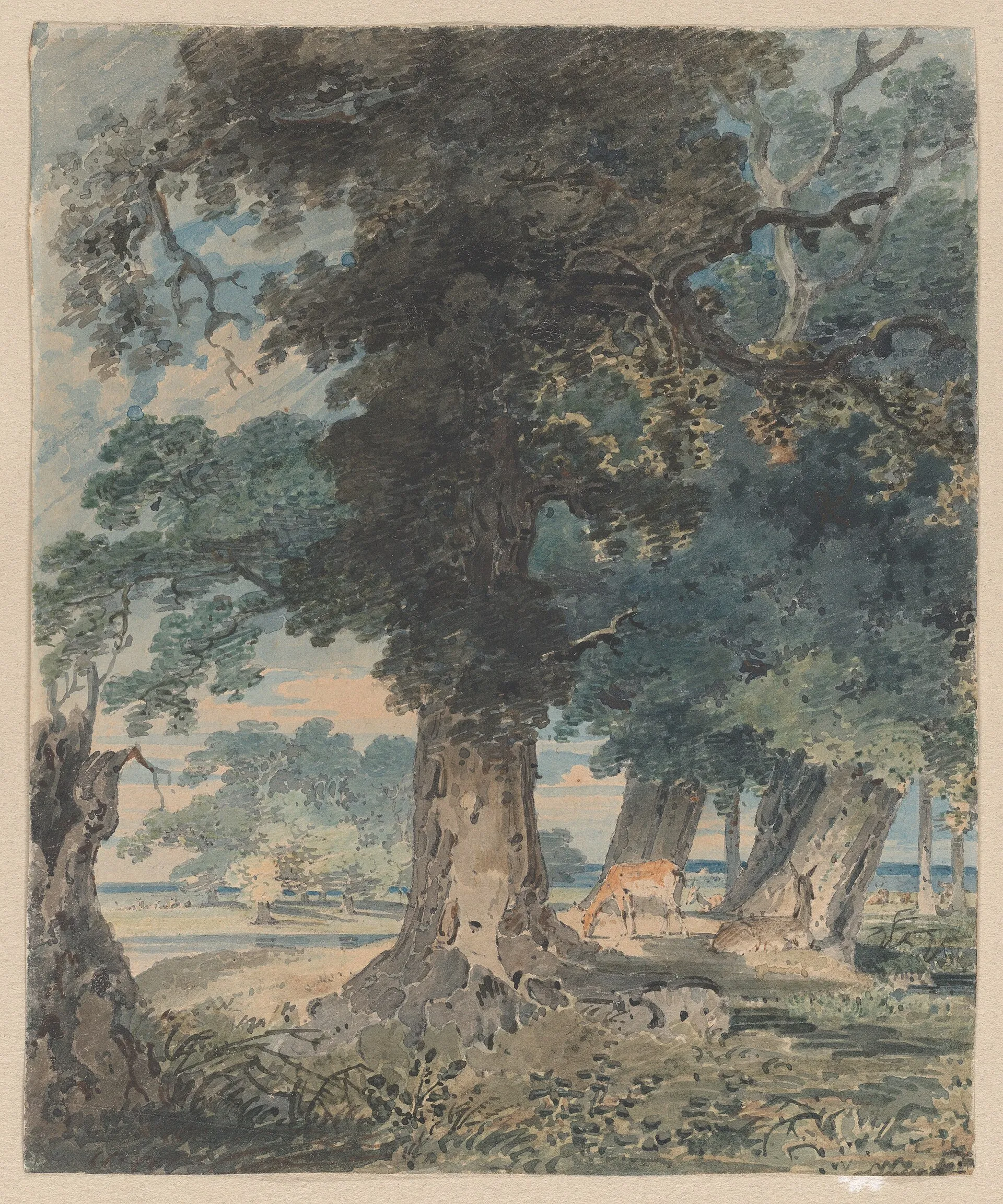
Night of the owls
1,400 species of bats in the world
There are over 1,400 species of bats, and only three feed on blood.
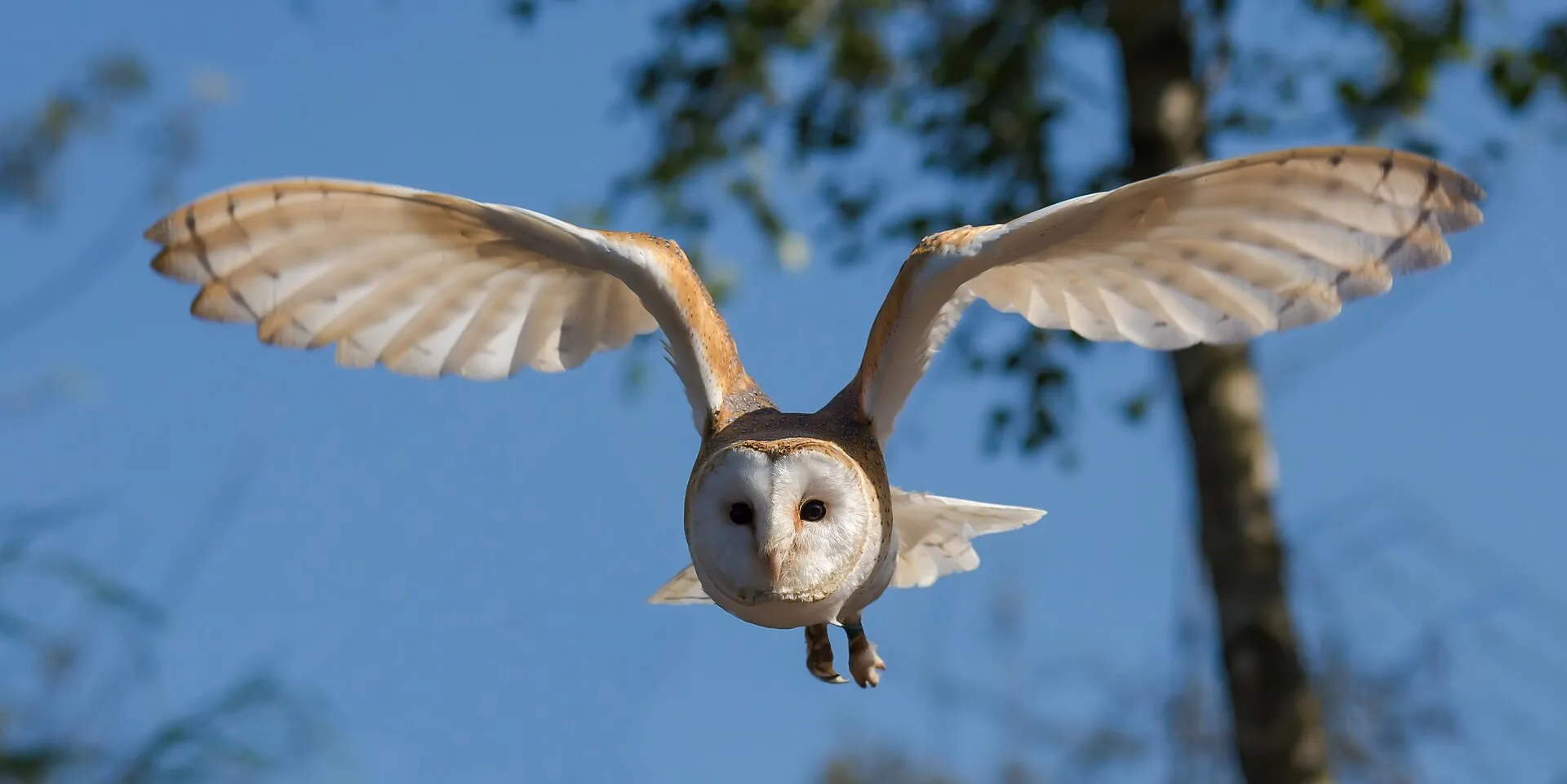
A barn owl can hear a mouse moving under leaves in total darkness.
- Barn owls can hunt by ear alone
- Bats see with echoes
- Owls fly without a sound
- October's full moon is the hunter's moon
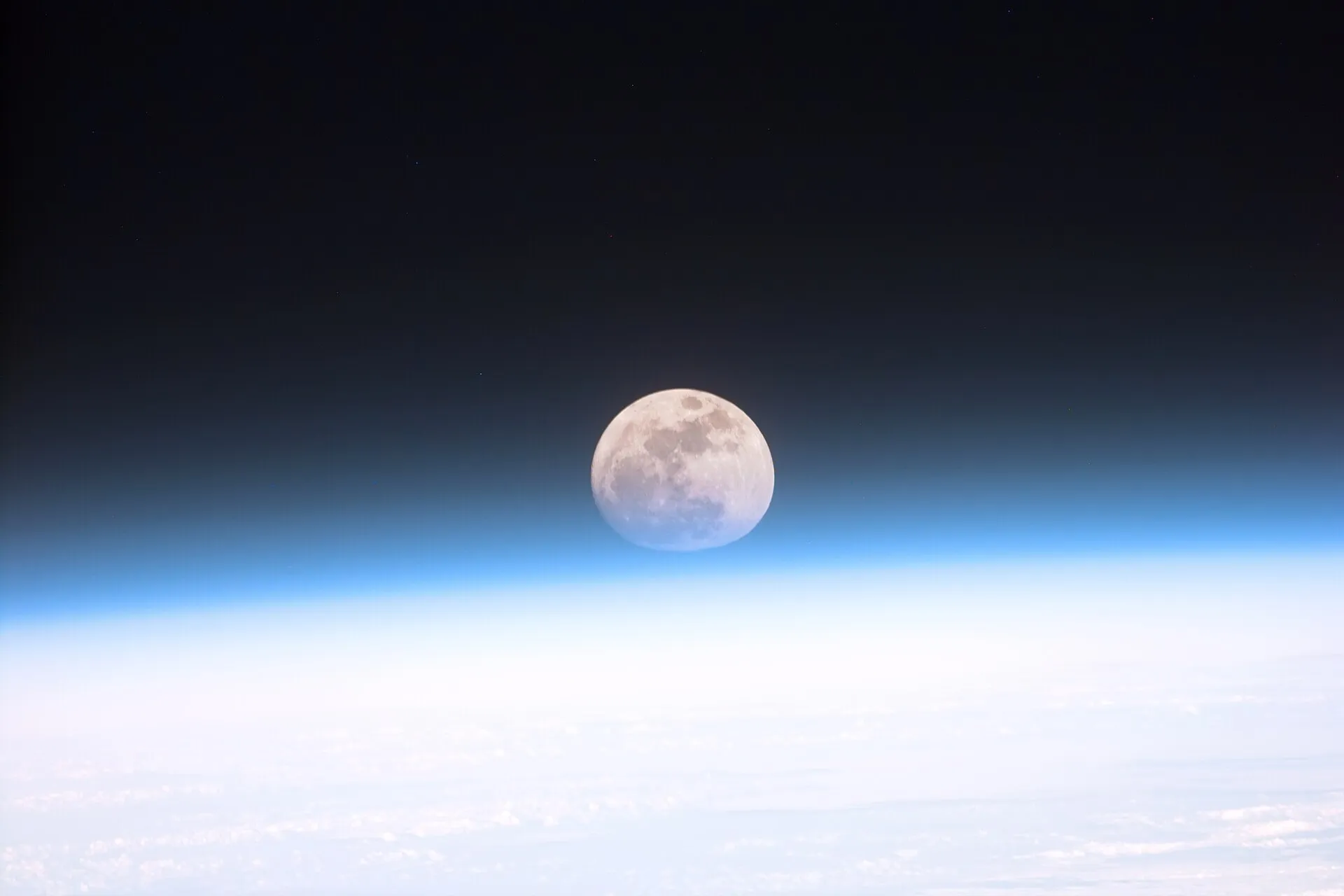
Winter nights
21 Dec the longest night of the year
The eagle-owl lays its eggs in the middle of winter, in the snow if it must.
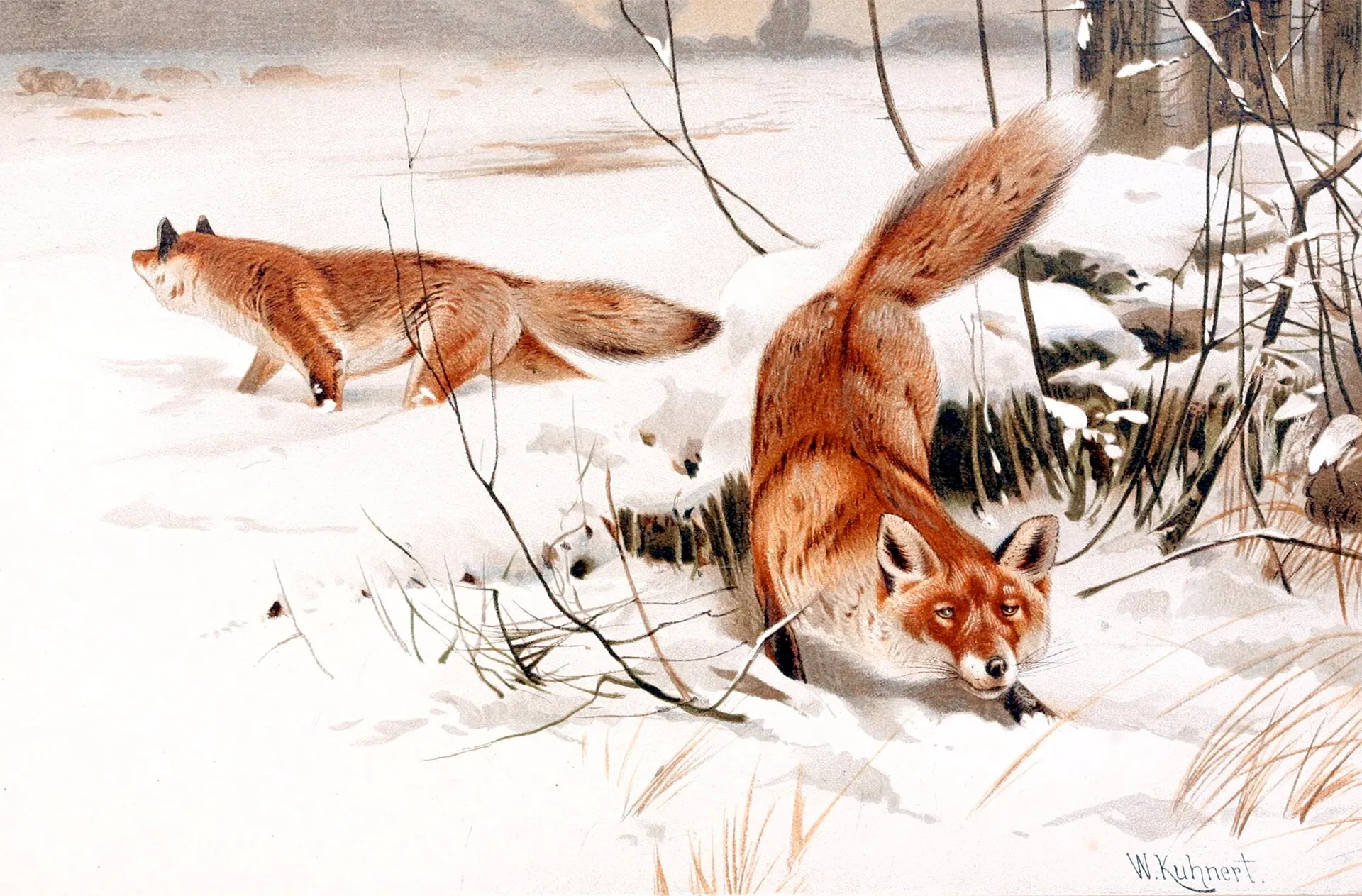
Foxes hear mice under the snow and dive headfirst to catch them.
- Quadrantids: 3 and 4 January
- Orion rules the January sky
- Eagle-owls start nesting
- Hedgehogs sleep until March
Spring nights
22 Apr night of the Lyrids
Owlets leave the nest before they can fly and climb along the branches.
Nights get about two minutes shorter every day.
- Lyrids: 22 and 23 April
- Eta Aquariids: 5 and 6 May
- Swallows come back
- Hedgehogs wake up
Summer nights
12 Aug night of the Perseids
Far from cities, the Milky Way can be seen with the naked eye on moonless nights.
Fireflies light up to find a mate.
- Perseids: 12 and 13 August
- Shortest night: 20 and 21 June
- Fireflies in June and July
- The Milky Way overhead